
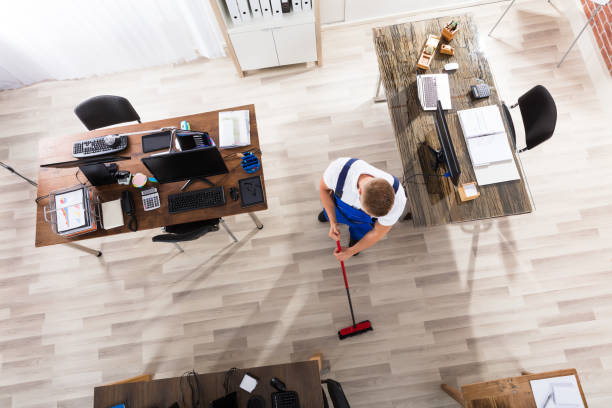
Walk into any workplace on a Monday morning and you can tell within about ten seconds whether somebody looks after the place. The bins are either empty or overflowing. The desks either smell of lemon spray or yesterday’s lunch. The light either pours in or struggles through grimy glass. Staff notice it, clients notice it, and honestly, so does the person who just walked in for a job interview.
Sydney businesses deal with a few extra challenges on top of the usual dust and coffee rings. Harbour air carries salt and grit, building work seems to be happening on every second street, and summer humidity gets into everything. A workplace that is cleaned properly and on a steady schedule holds up much better against all of it. This guide covers what a good routine looks like, why windows deserve more attention than they usually get, and how to pick a team you will not have to chase.
Why a clean workplace matters more than most owners think
Cleaning tends to sit at the bottom of the budget list until something goes wrong. A flu goes through the team, a client mentions the washrooms, or somebody finally looks up and sees the dust on the air vents. By then the fix costs more than steady upkeep would have.
The health side is easy to measure. Keyboards, door handles, lift buttons and shared kitchen taps pick up more germs than a toilet seat does, which surprises most people the first time they hear it. When a team of thirty shares those surfaces all day, one sick person quickly becomes five. Fewer sick days means fewer missed deadlines and less scrambling to cover for each other.
Then there is the mood side, which is harder to put a number on but just as real. People work better in a space that feels cared for. A tidy desk, a fresh-smelling bathroom and a kitchen without a mystery smell in the fridge all send the same quiet message: this company pays attention to details. Staff pick up on that, and so do visitors.
What a sensible cleaning routine actually covers
There is no single schedule that fits every workplace. A small accounting firm with eight desks has different needs from a call centre running two shifts. Still, most good routines break down into three layers.
Daily work
These are the jobs that cannot wait. Emptying bins, vacuuming or mopping the main walkways, wiping down kitchen benches, cleaning and restocking the washrooms, and sanitising the surfaces people touch constantly. Done after hours, they mean everyone walks in the next morning to a fresh start. A reliable provider of Office Cleaning Sydney businesses can count on will usually handle these overnight, so your team never sees the mess or the equipment.
Weekly work
Weekly tasks go a little deeper. Dusting shelves, monitors and window sills, spot cleaning glass partitions and doors, deep vacuuming under desks, wiping the inside of microwaves and fridges, and disinfecting phones and shared equipment. These are the things nobody notices until they are skipped for a fortnight, and then everybody notices.
Monthly and seasonal work
Carpets need proper extraction cleaning once or twice a year, more often near entrances. Hard floors benefit from machine scrubbing and resealing. Air vents, ceiling corners, upholstered chairs and blinds collect dust slowly and quietly. Putting these jobs on a calendar, rather than waiting until they look bad, keeps costs predictable and avoids the big panic clean before a client visit.
The part of the building people forget: the windows
Ask most business owners what their cleaners do and they will list floors, bins and bathrooms. Ask when the windows were last done and you often get a long pause.
Glass takes a beating in this city. Salt from the coast, traffic fumes, pollen in spring and the film that builds up after summer storms all settle on it. Left alone, that layer gets thicker and harder to remove each month. Streaky glass makes a good building look tired, and it cuts down the natural light your team works in. Rooms with clean windows genuinely feel bigger and brighter, and many people find they need fewer lights on during the day, which helps the power bill as well.
Professional Office Window Cleaning Sydney crews use the right tools for the job: water-fed poles, squeegees, scrapers and the correct solutions for different glass types. That matters because the wrong product can leave residue or even damage tinted and coated glass. If your offices are above the ground floor, trained crews also carry the safety gear and insurance for working at height, which is not something you want a staff member attempting with a stepladder.
How often should windows be done?
As a rough guide, ground floor shopfronts and street-facing glass do well with a monthly clean. Upper floors can usually go every two to three months. Buildings near the water, busy roads or construction sites may need a visit more often. Interior glass, such as meeting room partitions and entrance doors, is better handled as part of your weekly routine because fingerprints show up quickly.
Small habits that make the cleaners’ job easier
Even the best team cannot do much with a workplace buried in clutter. A few simple habits across the whole staff make a surprising difference:
- Clear desks at the end of the day, or at least clear the edges so surfaces can be wiped.
- Rinse mugs and put food containers in the dishwasher rather than leaving them in the sink.
- Report spills on carpet straight away, since stains set quickly.
- Sort bins properly so recycling does not end up contaminated.
- Tell your cleaning team about any areas that need special care, like server rooms or sensitive equipment.
None of this takes more than a few minutes a day, and it means your cleaning budget goes on actual cleaning instead of tidying up after people.
How to choose a cleaning company you can trust
Picking a provider on price alone is the most common mistake. The cheapest quote often leaves things out, or relies on rushed staff who change every month. Here is what to look at before signing anything.
- Experience with workplaces like yours. A company that cleans medical clinics works to different rules from one that cleans open-plan tech offices.
- A clear written scope. You should see exactly what is cleaned, how often and at what price, with no vague wording.
- Insurance and trained staff. Ask for proof of public liability cover, and ask how new cleaners are trained and supervised.
- A consistent crew. Having the same people turn up each time means they learn your layout and your preferences.
- Flexible hours. Good teams work around your schedule, whether that means early mornings, evenings or weekends.
- Everything under one roof. It is far easier to deal with one company for floors, bathrooms and glass than to juggle three. A provider offering both Office Cleaning Sydney services and Office Window Cleaning Sydney can usually bundle them into one schedule and one invoice, which saves time and often money.
Before committing, ask for a trial period or a one-off clean. It tells you more about quality than any brochure will.
What to expect on the first visit
A decent company will start with a walk-through. They will look at floor types, count the washrooms, ask about problem spots and talk through your priorities. From that they should send a written quote that matches what you discussed. After the first few cleans, it is worth having a quick chat with the supervisor to adjust anything that is not quite right. Good providers welcome that feedback because it helps them settle into your routine faster.
Keep a simple checklist near the front desk or in a shared folder where staff can report anything that was missed. A short, friendly message beats a complaint three weeks later, and it gives the cleaners a fair chance to fix things.
Costs and getting good value
Pricing depends on floor area, how often the team visits, the type of building and the extras you want. Rather than asking for the lowest number, ask what you get for it. A slightly higher quote with consistent staff and proper supplies tends to cost less over a year than a cheap one that needs constant follow-up. Bundling regular work with periodic extras like carpet cleaning and glass is usually where the better rates are found.
Think of cleaning as upkeep on an asset. Carpet that is cared for lasts years longer. Glass that is cleaned regularly does not need harsh restoration work. Furniture that is vacuumed and wiped keeps its look. Money spent steadily on maintenance is almost always lower than money spent on replacement.
Bringing it all together
A clean workplace is not about perfection. It is about steady, sensible habits: daily basics done properly, deeper jobs on a calendar, windows that let the light in, and a team that cares about the space. Get those right and you end up with healthier staff, happier clients and a building that looks the way you want it to look.
If you are ready to put a proper routine in place, start by talking to a local provider of Office Cleaning Sydney that businesses trust, and ask about adding Office Window Cleaning Sydney visits to the same plan. A short walk-through and a written quote is all it takes to get going, and the difference shows up within the first week.