
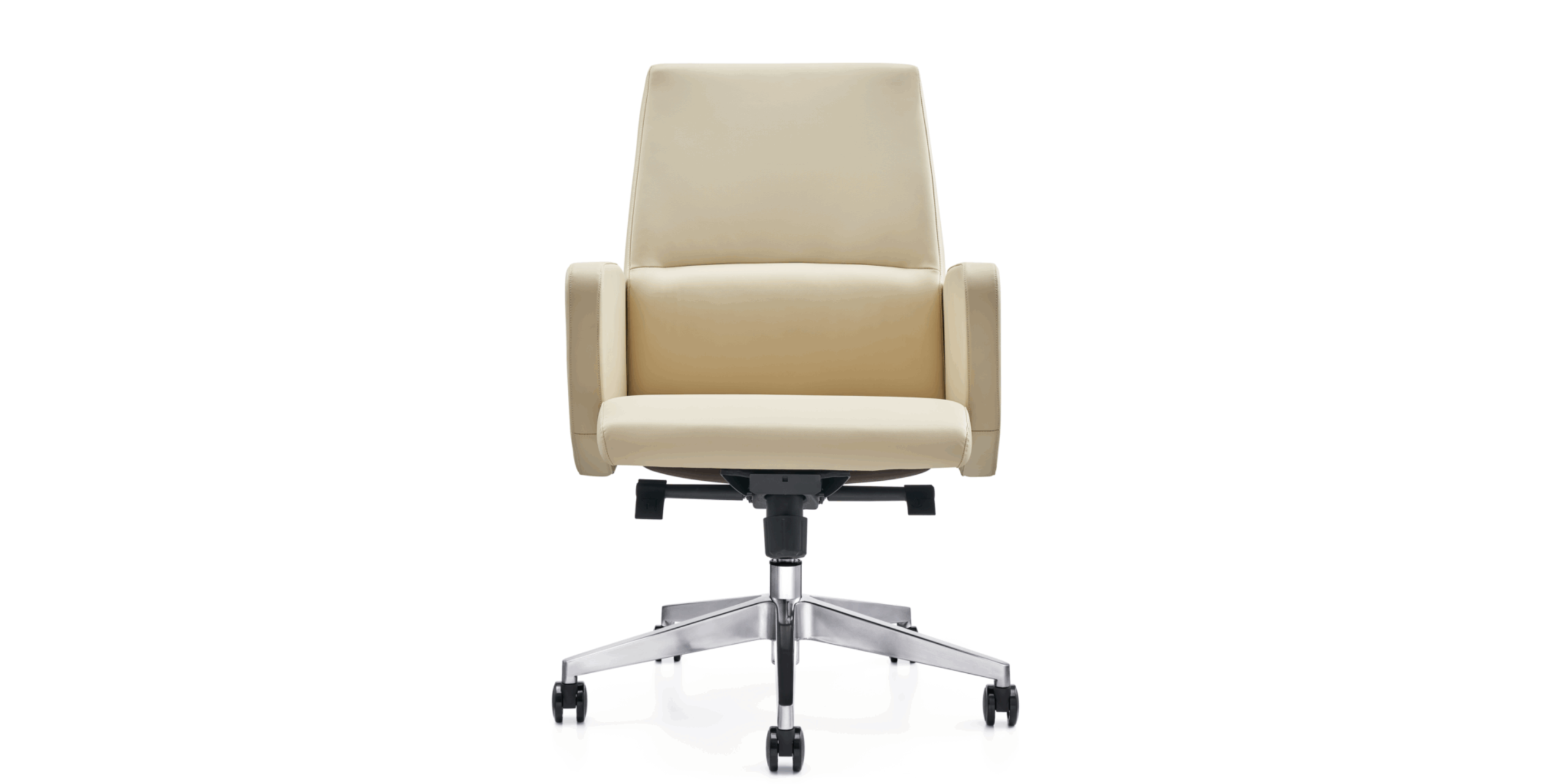
I didn’t think I’d ever spend this much time thinking about chairs, honestly. Two years ago I was the kind of person who believed any chair with four legs and a backrest was good enough. Then remote work happened, my lower back started acting like it pays rent, and suddenly I’m googling stuff like best ergonomic chair india at 1:30 AM while scrolling Twitter threads about posture and productivity. That’s adulthood, I guess.
India has quietly entered this weird phase where sitting wrong is considered a lifestyle mistake. You’ll see Instagram reels of founders showing off their home offices, LinkedIn posts talking about “investing in health early,” and random Reddit comments warning people not to cheap out on chairs. Somewhere between all that noise, ergonomic chairs stopped being a luxury item and became this semi-essential thing, like good shoes or a decent mattress.
The Back Pain Nobody Talks About Until It Hits
Here’s the thing no one really warns you about. Bad chairs don’t ruin your back immediately. It’s slow. Sneaky. One day you’re fine, next month you’re stretching like a confused yoga beginner between meetings. I learned this the hard way after using a dining chair as my “work setup” for almost a year. My spine felt like it was buffering.
A lesser-known stat I came across while doom-scrolling a health forum was that sitting-related discomfort is one of the top reasons young professionals in India visit physiotherapists now. Not gym injuries, not accidents. Just sitting. Kind of ironic, right. We’re not even doing anything extreme.
People online love to argue whether ergonomic chairs actually work or if it’s just fancy marketing. Personally, I think it’s like wearing specs. You don’t notice how bad things were until you finally switch and then try going back.
What Makes a Chair Actually Ergonomic (And Not Just Expensive)
This part confused me for a long time. Price doesn’t always equal comfort. Some chairs look like they belong in a spaceship but feel terrible after an hour. Real ergonomic support is boring stuff. Lumbar support that actually lines up with your spine. Seat depth that doesn’t cut off circulation. Armrests that don’t force your shoulders into a shrug.
A small detail I rarely see discussed is how Indian body proportions differ slightly from Western designs. A lot of imported chairs are built for taller frames. That’s why many people complain about neck strain even after buying something costly. Indian-focused brands are slowly catching on, thankfully, and adjusting dimensions.
Also, mesh seats are a lifesaver in our weather. Leather looks premium but try sitting on it in peak summer and tell me how that goes.
Work From Home Changed Everything, Even Chairs
Before 2020, office chairs were mostly an office problem. Now everyone has opinions. You’ll see YouTube reviewers testing chairs like they’re smartphones, checking recline angles and tilt tension with intense focus. It’s kind of funny but also helpful.
One story from my own experience. A friend of mine refused to buy an ergonomic chair because he thought standing desks would solve everything. Three months later he was borrowing my chair during late-night work sessions. He finally gave in and bought one after his smartwatch started nagging him about bad posture. Technology bullying us into better habits wasn’t on my bingo card.
Social media sentiment around this is interesting too. People flex their chairs now. It’s not just laptops and monitors anymore. Chairs have entered the aesthetic game.
Budget, Brands, and That Constant Confusion
India’s market is weirdly wide. You’ll find chairs for under five thousand that promise “orthopedic support” and then chairs costing more than some bikes. Most people, including me, sit somewhere in the middle, trying to balance budget guilt with back pain fear.
One niche thing I discovered is that many good chairs aren’t sold on big marketplaces. Smaller specialized stores often carry better designs but don’t advertise aggressively. That’s probably why people keep sharing links in WhatsApp groups like they’ve discovered a secret deal.
I’m not saying buying the wrong chair will ruin your life, but choosing the right one does quietly make days easier. Fewer breaks, less fidgeting, more focus. It’s subtle but real.
Small Habits Matter More Than You Think
Even the best chair won’t fix everything if you sit like a question mark. I still catch myself slouching during long calls. Ergonomics is more of a partnership between you and the chair. Adjust it properly. Take breaks. Don’t ignore that weird ache thinking it’ll go away on its own.
One underrated tip I picked up from a random Twitter thread was adjusting armrests lower than you think. Sounds minor, but it stopped my shoulder tension almost immediately. Funny how small tweaks do more than big purchases sometimes.
So Yeah, Chairs Are a Big Deal Now
If you’re spending six to eight hours sitting every day, it’s kind of wild not to think about what you’re sitting on. I used to overthink phones and headphones but ignored chairs completely. Now it feels obvious in hindsight.
Whether you’re freelancing, gaming, or just trying to survive endless Zoom calls, finding the best ergonomic chair india isn’t about trends or flexing online. It’s about making daily life a little less painful, literally. And honestly, if a chair can help with that, it deserves more respect than we give it.