
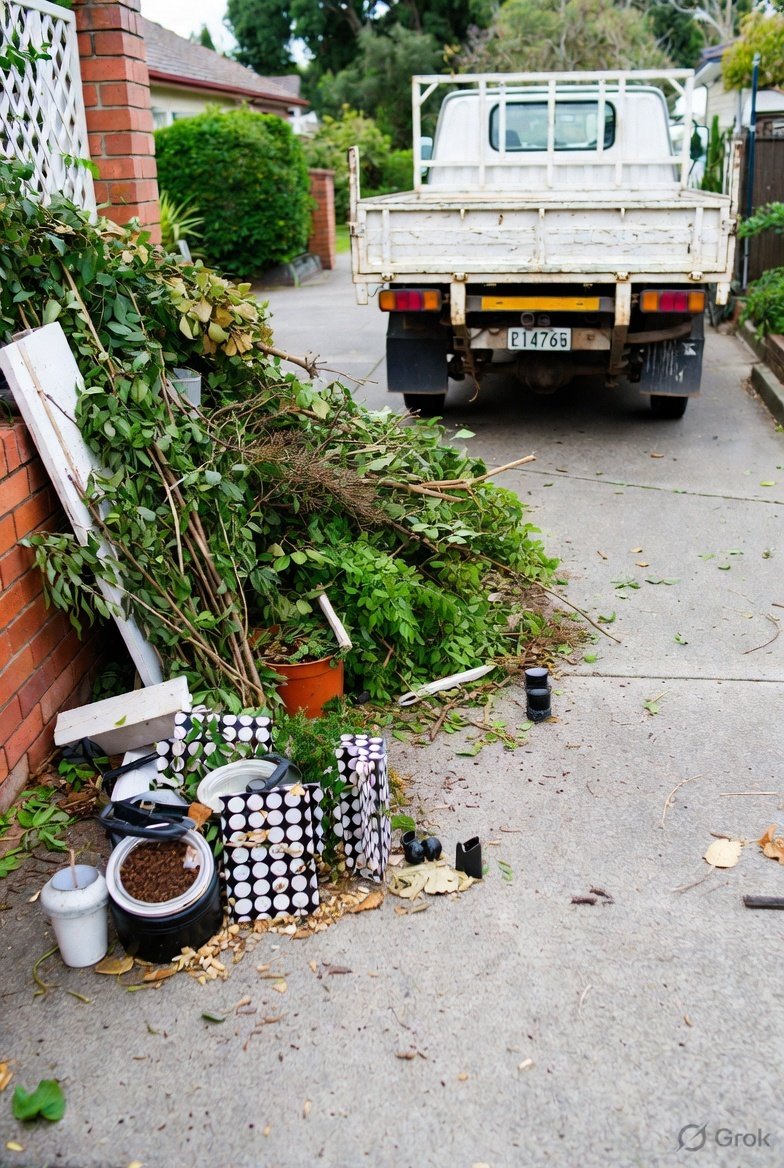
Hobart’s highly variable weather patterns significantly impact rubbish and junk removal operations, requiring adaptive strategies for safety, efficiency, and material handling. The city’s location on the Derwent estuary exposes it to frequent cold fronts bringing rain, gusty winds, and rapid temperature drops, even in summer. These conditions directly influence scheduling, loading practices, and final disposal.
Heavy rainfall, common in autumn and winter, increases the weight of organic garden waste and can turn soil or debris into slippery, muddy loads that are harder to contain and lift. Wet cardboard or fabrics become soggy and heavier, raising transport costs and complicating sorting at facilities. Operators often use tarps or enclosed vehicles to shield items, but persistent rain can still delay outdoor collection in suburbs with exposed properties. Strong winds—frequent near the waterfront or on elevated ridges—scatter lightweight junk like plastic sheets or insulation, creating litter hazards and safety risks for crews working at height or on ladders.
Winter frosts and occasional snow on higher areas around Mount Wellington make surfaces icy, slowing vehicle movements and increasing slip risks during manual handling of bulky furniture or appliances. Shorter daylight hours compress workable windows, pushing teams to start earlier or use additional lighting. Summer heat, though milder than mainland states, accelerates decomposition of food-contaminated or green waste, producing stronger odours and attracting pests if removal is postponed. This urgency often leads to higher demand for prompt services during warmer periods.
Storms and gales, typical of Tasmanian springs and winters, generate sudden surges in debris—fallen branches, damaged roofing, or flood-affected items—creating emergency junk removal needs. Post-storm operations must navigate blocked roads or downed power lines while prioritising hazardous materials like splintered timber or water-damaged electronics that could harbour mould.
These weather challenges encourage proactive planning. Many residents monitor forecasts and book removals during stable high-pressure windows. Services adapt by deploying appropriate vehicles with better traction or weatherproofing and by advising clients on pre-sorting to minimise exposure time. At disposal sites, wet waste may require extra processing to meet environmental standards, potentially increasing fees.
Longer-term climate trends, including more intense extreme events, heighten risks of facility disruptions or leachate issues at landfills, underscoring the value of waste minimisation and recycling. Crews receive training in weather-specific safety protocols, such as securing loads firmly against wind or wearing appropriate protective gear in cold, wet conditions.
For homeowners, understanding these influences means better preparation—covering piles, grouping recyclables indoors, or timing garden clean-ups after dry spells. Overall, Hobart’s dynamic climate transforms junk removal into a weather-aware activity where flexibility and foresight ensure operations remain safe, compliant, and environmentally sound despite unpredictable conditions. This resilience supports the community’s ability to maintain clean, functional spaces year-round in one of Australia’s most beautiful yet challenging urban environments.