
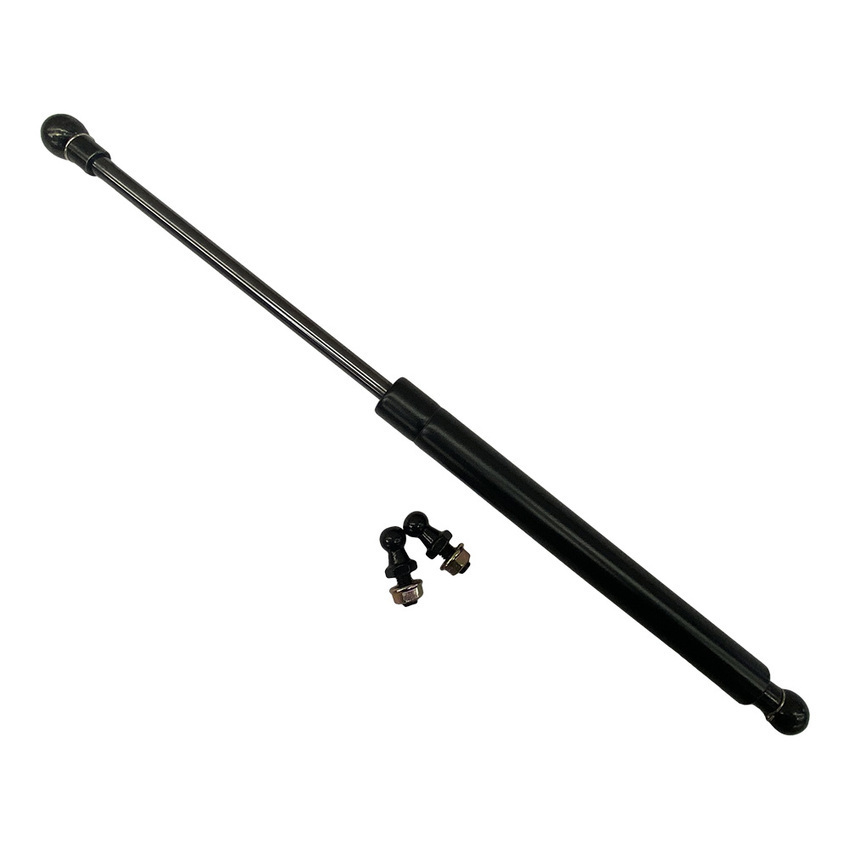
Replacing gas struts at home might sound intimidating, but with a few tools and the right know-how, it’s actually a pretty straightforward task. Whether it’s your kitchen cabinet, caravan hatch, or the car bonnet gas struts keeping your engine access safe, swapping out old or failing struts can restore smooth, effortless motion in just minutes.
This step-by-step guide will walk you through everything you need to know to tackle the job with confidence.
What You’ll Need
Before starting, grab these essentials:
- Your replacement gas struts (make sure they’re the correct length and pressure)
- Flathead screwdriver
- Safety gloves and eyewear
- A helper (for larger or heavier panels)
With gear in hand, let’s get to work.
Step 1: Identify the Strut You’re Replacing
Begin by noting the current strut’s part number or specifications. This includes:
- Extended and compressed lengths
- Mounting style and end fittings
- Force rating in Newtons (usually printed on the strut)
If unsure, Schutts Industrial can help match or custom-build a replacement based on your measurements and application.
Step 2: Prepare the Area
Prop the panel open securely using a secondary support—like a piece of timber or broomstick—especially with heavier car bonnets or tailgates. Never rely on an old gas strut while you remove it; this is where your helper comes in handy.
Safety first: wear gloves and goggles just in case of unexpected movement or pressure release.
Step 3: Remove the Old Strut
Most gas struts are mounted with a ball-and-socket or clevis-style fitting:
- Ball joint: Pry up the metal retaining clip using a screwdriver, then gently pull the strut off the ball stud.
- Clevis or fork ends: Remove the pin or bolt securing the end.
Repeat on both ends if the strut is mounted top and bottom. Take note of orientation—it will help when you install the new one.
Step 4: Install the New Gas Strut
Check your new struts before installation to ensure pressure and length match. Align the body of the strut (the thicker part) upwards and the rod (the thinner part) downwards when possible—this helps distribute internal oil for longer strut life.
Press each end onto its respective fitting until it clicks or locks into place:
- For ball joints, ensure the clip snaps securely.
- For clevis ends, reinsert the pins and secure with a cotter or split pin.
Don’t force it—if there’s too much resistance, double-check alignment and part compatibility.
Step 5: Test the Movement
Gently open and close the panel several times to check for smooth action. It should move freely, hold its position, and have no strange creaks or clicks.
If all feels good, pat yourself on the back—you’ve just completed a professional-quality job, DIY-style.
Pro Tips for a Longer Lifespan
- Avoid applying sideways force to gas struts.
- Keep them clean and free of debris or corrosion.
- Periodically check mounting hardware for wear.
- Replace in pairs to ensure balanced force and even motion.
Final Thoughts
Swapping out gas struts at home can be a rewarding and practical task that extends the life of your equipment and adds to your DIY toolkit. From restoring a boot lid’s lift to perfecting that soft-close cupboard, the difference is immediately noticeable.
And if you ever need advice, support, or a made-to-measure solution, Schutts Industrial is a trusted name in quality gas struts, including tailored options for automotive applications like car bonnet gas struts