
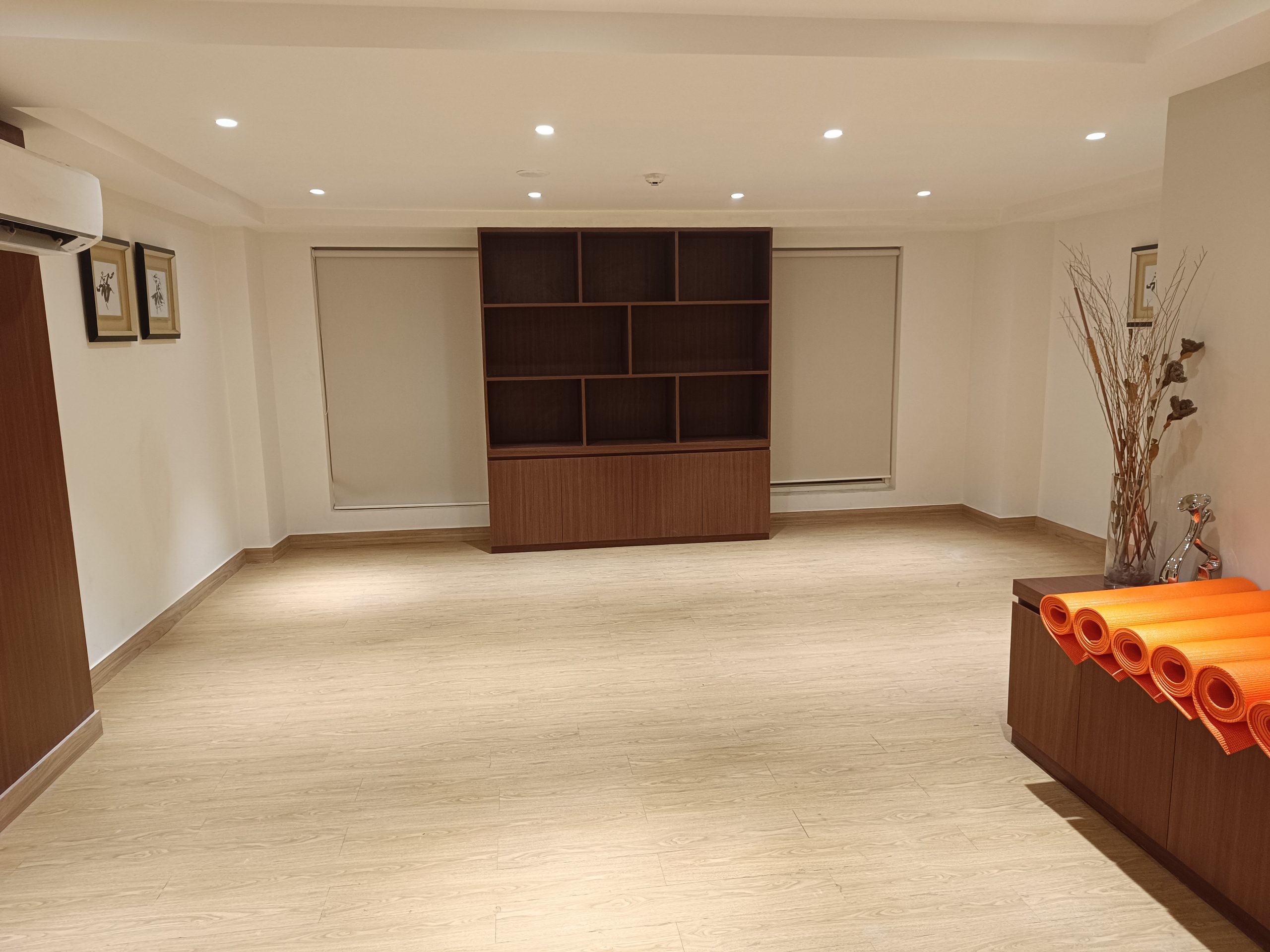
Most families, when discussing where an ageing parent should live, focus on physical safety, proximity, and cost. Brain fitness rarely enters the conversation early enough. The communities and the quality of senior citizen care services they provide can determine not just how long an elder lives, but how mentally sharp, emotionally engaged, and purposefully connected they remain through every phase of later life.
Long-term care planning in Indian families tends to start with the practical and the immediate — which facility is closest, what it costs, whether the food is good and the staff are kind. These are legitimate considerations. But they leave out the question that may matter most to the elder themselves: will this place keep my mind alive? Brain fitness — the active maintenance of cognitive capacity through engagement, stimulation, and purposeful living — is not a bonus feature of good senior care. It is a baseline expectation that families have every right to raise and every reason to pursue.
Why Should Senior Citizen Care Services Make Brain Fitness a Priority?
The brain is not a passive organ. It responds to the quality of its environment — the richness of social interaction it receives, the novelty of mental challenges it faces, the quality of sleep and nutrition it is supported by, and the degree to which the person feels purposeful and engaged day to day. Senior living communities that understand this build their entire programme around it. Communities that do not tend to address physical health while allowing cognitive health to drift — a gap that has serious consequences for residents over time.
What Families Often Miss in Long-Term Care Conversations
When families tour senior living facilities, they typically evaluate what they can see: the quality of rooms, the cleanliness of common areas, the friendliness of staff, and the range of meal options. What is harder to see — and what matters just as much — is the philosophy of care that runs beneath the surface. Does the community have a structured cognitive engagement programme? Are staff trained to recognise early signs of cognitive change? Is the daily schedule designed to provide mental stimulation, or is it designed primarily around logistics and safety? These questions are rarely asked during facility tours, and yet the answers reveal far more about long-term resident outcomes than the appearance of the dining hall.
The Link Between Social Engagement and Cognitive Longevity
One of the most robust findings in ageing research is that social isolation is a powerful accelerant of cognitive decline. Elders who live with regular, meaningful human contact — shared meals, group activities, conversations that go beyond the transactional — consistently show better cognitive trajectories than those who live alone or in environments where social interaction is limited. A well-chosen elderly care homes in Kolkata can offer the kind of daily social richness that independent living at home often cannot, particularly when family members are busy or live at a distance. The social environment of a senior community is not a comfort feature — it is a cognitive health intervention.
Physical Activity as Brain Medicine
Exercise is one of the most evidence-backed interventions available for protecting cognitive health in older adults. Aerobic activity increases blood flow to the brain, stimulates the release of growth factors that support neurone health, and reduces the inflammation associated with neurodegeneration. Yet many families do not ask about physical activity programmes when evaluating homes for elderly people. They should. The frequency, variety, and quality of physical activity available to residents — and whether it is adapted to individual mobility levels — is a direct indicator of how seriously a community takes brain health as part of its care model.
Nutrition, Sleep, and the Brain’s Daily Requirements
The brain has specific nutritional needs that change with age — needs that are often poorly served by institutional catering focused on convenience rather than composition. Deficiencies in B vitamins, omega-3 fatty acids, and antioxidants are common in older adults and have documented links to accelerated cognitive decline. Sleep, too, is a clinical priority: the brain’s glymphatic system clears metabolic waste during deep sleep, and older adults who sleep poorly accumulate this waste at faster rates. Good assisted living apartment communities address both nutrition and sleep as cognitive health inputs, not simply as operational concerns. Families should ask specifically how these are managed.
Mental Stimulation: More Than Keeping Elders Busy
There is a meaningful difference between activity and stimulation. A community that keeps residents occupied with passive entertainment — television, bingo, occasional outings — is not providing the kind of cognitive challenge that research links to brain fitness. Genuine mental stimulation involves novelty, learning, and engagement with ideas. Music appreciation, language learning, creative writing sessions, and inter-generational discussions can encourage learning, creativity, and meaningful mental engagement. The best senior living communities build programmes around this distinction and can explain it clearly to families who ask.
What Brain-Focused Care Looks Like in Practice
A senior community that takes brain fitness seriously looks different in practice from one that does not. Its staff receive ongoing training in dementia awareness and cognitive care. Its physical environment is designed to support orientation, calm, and independent movement. Its activity calendar includes a weekly variety of mentally stimulating programmes, not just events. Its care team tracks cognitive indicators over time and communicates changes to families early. And its leadership treats brain health not as an add-on to physical care but as an equally central element of what good old age homes in india owe to the people in their care.
Questions Every Family Should Ask Before Choosing a Senior Community
Brain fitness should be on the agenda of every family evaluating senior care options. The right questions make it easy to identify which communities have genuinely integrated cognitive health into their model.
- Ask whether staff are trained in dementia awareness and early recognition of cognitive change.
- Ask what the weekly mental stimulation programme looks like and how it varies across the month.
- Ask how the community adapts its physical activity offerings to residents with limited mobility.
- Ask how family members are kept informed about cognitive changes over time.
Communities with strong cognitive care programmes welcome these questions. Those that deflect or answer vaguely are telling you something important.
Brain fitness is not a luxury feature of long-term care — it is a fundamental responsibility. Families who raise this topic early, ask pointed questions during facility evaluations, and hold providers to a clear standard will give their ageing loved ones a significantly better chance of maintaining cognitive vitality for years to come. When assessing any senior citizen care services option, treat brain fitness as a non-negotiable dimension of care quality, because the mind that stays engaged and purposeful is the mind that continues to make life worth living at every age.
Frequently Asked Questions
Q1. How do I know if a senior living facility takes brain fitness seriously?
Look beyond the facility tour and ask specific questions: whether staff are trained in dementia awareness, what the mental stimulation programme includes week to week, how physical activity is tailored to different mobility levels, and how cognitive changes in residents are monitored and communicated to families. A community with genuine brain health commitment will answer these questions clearly and with evidence.
Q2. At what point in long-term care planning should brain fitness become part of the conversation?
Brain fitness should enter the conversation before a crisis makes it urgent. The interventions that most reliably slow cognitive decline — consistent physical activity, rich social engagement, mental stimulation, quality nutrition, and restorative sleep — work best when established early. Waiting until an elder shows visible cognitive decline means missing the window in which these factors have the greatest protective effect.
See how Jagriti Dham integrates brain fitness into everyday life for its residents.
Book a scheduled visit and speak with our care team about our cognitive health approach.
About Jagriti Dham
This article was curated by the Jagriti Dham team (www.jagritidham.com). Jagriti Dham is Kolkata’s most luxurious senior citizen home and Eastern India’s first IGBC-certified green senior living facility, situated near Joka on Diamond Harbour Road. A project of the Infinity Group, Jagriti Dham promotes active ageing and builds an age-integrated society where elders live independently while receiving the finest professional care.
Follow us: Facebook | YouTube | Google My Business | LinkedIn | Instagram