
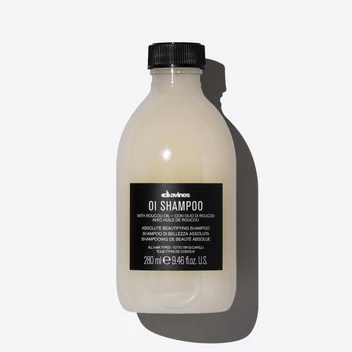
Sustainability in beauty used to mean a small, easily overlooked category of niche products. That’s no longer the case, particularly in hair care, where the environmental footprint of everyday formulas has become a genuine factor in how people choose what goes on their scalp and down the drain every day. Davines, the Italian hair care brand built specifically around sustainability, has become one of the clearest examples of what this shift actually looks like in practice.
What Sustainable Hair Care Actually Means
The term “eco-friendly” gets used loosely across the beauty industry, so it’s worth being specific about what genuinely sustainable formulation involves. It starts with ingredient sourcing — favouring naturally derived, biodegradable ingredients over synthetic ones that persist in waterways after rinsing out. It extends to packaging, with a meaningful shift toward recycled and recyclable materials rather than virgin plastic. And it includes the manufacturing process itself, where carbon footprint, water usage, and waste reduction all factor into how responsibly a product is actually made, not just how it’s marketed.
Davines has built its brand identity specifically around this fuller definition rather than treating sustainability as a single ingredient claim. The brand holds B Corp certification, a rigorous third-party standard that evaluates a company’s entire environmental and social impact rather than one product line in isolation, which is a meaningfully higher bar than most beauty brands attempt to clear.
Why Ingredient Quality and Sustainability Tend to Go Together
There’s a practical reason sustainable formulation and genuine hair health often overlap: harsh sulphates and synthetic silicones, which are common in conventional shampoos partly because they’re cheap and effective at creating lather, tend to strip natural oils and build up on hair over time. Naturally derived alternatives generally work more gently with the hair’s own structure, which is part of why sustainably formulated ranges often perform better for scalp health and long-term hair condition, not just for environmental reasons.
What to Look for When Choosing Sustainable Hair Products
Certifications are the clearest signal worth checking for, since marketing language like “natural” or “clean” isn’t independently regulated. B Corp status, cruelty-free certification, and clear ingredient transparency all indicate a brand is being held to standards beyond its own claims. Packaging is worth a second look too — refill programs and recyclable packaging meaningfully reduce the waste footprint of a haircare routine used daily over years.
Bringing Sustainable Choices Into a Daily Routine
Switching to a genuinely sustainable haircare range doesn’t require compromising on performance. A well-formulated sustainable shampoo and conditioner should clean, condition, and support scalp health just as effectively as a conventional equivalent — the difference lies in what’s not going down the drain and what’s not left behind in landfill, not in how the hair feels afterward. For anyone reassessing their bathroom routine with genuine environmental impact in mind, the beauty industry’s shift toward brands built around full-lifecycle sustainability, rather than a single green claim, makes this an easier switch to make than it would have been even a few years ago.