
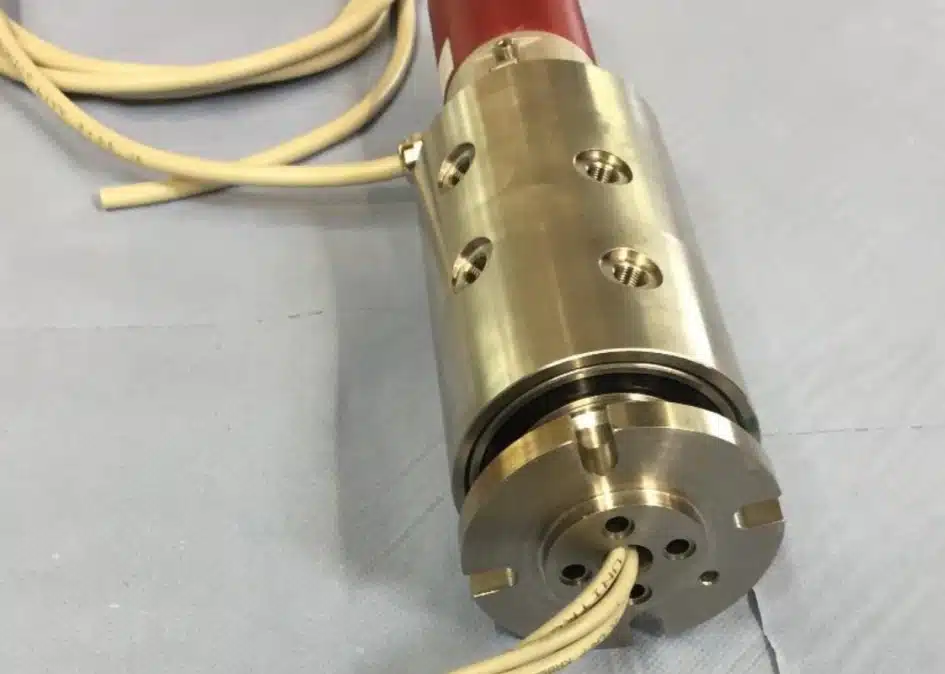
If you’re working with a swivel joint, you already understand its role in maintaining a smooth flow of fluid, gas, or air while allowing movement between connected joints. Whether you’re using a flexible hose or rigid pipework, regular maintenance helps prevent leaks, reduce downtime, and extend the life of your equipment.
High-performance swivel joints are used in many sectors, and manufacturers like SREG Products Ltd offer a wide range of options to suit different pressures, temperatures, and materials.
This guide gives you clear, actionable tips to get the most from your swivel joints—whatever their material, size, or application.
Inspect Regularly—Even When All Seems Fine
Routine checks are one of the most important ways to catch problems early. Swivel joints are exposed to movement, torsion, and varying pressure loads, and any of these can lead to premature wear or damage.
What to look for:
- Leaks around the end connections
- Scuff marks, corrosion, or surface cracking
- Unusual noise or vibration during operation
- Looseness or restriction in the swivel motion
Even if everything appears to be working, a quick inspection helps identify small issues before they add up to costly repairs.
Check for Misalignment and Torsion Stress
A poorly installed swivel joint can wear out quickly—especially if it’s under sideways tension or torsion from a misaligned hose or unsupported pipework.
Your checklist:
- Is the joint squarely aligned between fittings
- Are hoses pulling from the side or twisting under load
- Is the joint absorbing movement it wasn’t designed for
Using the correct size, properly supporting the joint, and reducing twisting helps preserve the product and prevent seal failure.
Know Your Working Pressure and Media Compatibility
Before selecting or servicing a joint, confirm its working pressure and compatibility with your system’s media. Not all joints are suitable for steam, hot oil, or abrasive slurry.
Material choices include:
- Brass – Resists corrosion and handles a wide variety of fluids, especially in water or air systems
- Aluminium – Lightweight and ideal for low-to-moderate pressure applications
- Stainless steel – Withstands high pressure, heat, and aggressive media
Always check the BSP or NPT thread type and pressure rating before installation or placing an order.
Lubricate and Clean as Needed
Some swivel joints are manufactured with internal bearings or moving components that need lubrication. Others are sealed for life. If lubrication is required:
- Use lubricants compatible with your media
- Don’t over-grease—it can push grease into the seal area
- Wipe down fittings regularly, especially in dusty or wet environments
Cleaning is a simple habit that protects your investment.
Replace Seals Before They Fail
The seal is one of the most critical parts of any swivel joint. If it starts to wear, it can leak, contaminate your product, or damage nearby components.
Best practice:
- Schedule replacements based on service cycles
- Keep spare seal kits in stock
- Choose the correct material for each media type
By acting early, you avoid emergency shutdowns and reduce repair costs.
Choose the Right Swivel Joint for Your System
If you’re dealing with frequent failures, make sure the joint you’re using is suitable for your application—not just in terms of working pressure, but also movement type, material, and connection end.
Things to consider:
- Flow rate and media type
- Required movement—rotation, pivot, or both
- Mounting constraints or space limitations
- Available options for rebuildable vs sealed units
Choosing the right product at the start prevents issues later. And while price is a factor, it’s not the only one. A joint that lasts longer is often more cost-effective in the long run—even after VAT.
Store Spare Items Correctly
When you receive replacement items, how you store them affects how well they’ll perform later. Improper storage can deform seals, rust fittings, or introduce contaminants.
Storage advice:
- Keep joints in sealed packaging
- Store in a dry, temperature-controlled area
- Avoid stacking heavy items on top of threaded or soft surfaces
Having the right part in stock is only helpful if it’s still in good condition when you need it.
Real-World Use Case Scenarios
Swivel joints are used in countless applications. Here are a few:
- Compressed air systems in garages and workshops – prevent hose tangles while allowing full movement
- Steam lines in food processing – stainless steel swivel joints handle heat and chemical exposure
- Oil transfer in marine or mobile systems – robust designs support continuous use under torsion
- Construction plant – brass or steel joints support high pressure hydraulics in rugged environments
Each use case has different media, temperatures, and motion ranges—so selecting the right material and setup is essential.
Seal Failure Troubleshooting
If your joint is leaking or failing prematurely, it may be the seal—not the body—that’s to blame.
Symptoms:
- Small drips near the end connection
- Pressure drops in the system
- Restricted movement or grinding
- Contamination of the transferred media
Causes:
- Incorrect or worn material
- Misalignment or excess torsion
- Exposure to incompatible media
- Over-tightened fittings or mismatched size
Plan ahead. Seal kits are a small cost to avoid a much larger order for a full replacement.
Quick-Reference Maintenance Checklist
Daily or Weekly:
- Look for leaks or weeping
- Check for hose strain
- Inspect surface condition
- Verify smooth movement
Monthly:
- Check lubrication (if applicable)
- Confirm working pressure remains within safe limits
- Clean fittings
- Monitor for vibration or misalignment
Annually or During Shutdown:
- Replace seals
- Recheck mounting and thread engagement
- Inspect spares kept in stock
- Review whether existing options are still suitable
Common Installation Errors to Avoid
Even the best swivel joint won’t last if it’s installed incorrectly. Avoid these:
- Cross-threading BSP fittings
- Using joints with the wrong size or thread type
- Over-tightening, which can deform the end fitting
- Forgetting to support hose to reduce strain
- Installing without checking the required working pressure
Installation is quick—but only when done right the first time.
Environmental Considerations
Where your joint is used matters as much as how it’s used.
Key factors:
- Moisture or salt exposure – use corrosion-resistant material
- High temperatures – select seals rated for steam or hot oil
- Dust or grit – use covers or shields where possible
- Aggressive chemicals – confirm compatibility before placing an order
A poor environmental match is a fast track to premature damage.
Frequently Asked Questions (FAQs)
What does a swivel joint do?
A swivel joint allows movement in a hose or pipe system without interrupting the flow of media like water, oil, air, or steam. It helps reduce strain, prevent leaks, and support flexible installation.
How do I know which joint is suitable?
Check the working pressure, temperature range, movement type, material, and thread connection (e.g. BSP). The correct size and configuration make all the difference.
How often should seals be replaced?
This depends on use, media, and system demands. In high-cycle or high pressure systems, replace seals annually—or sooner if you notice signs of wear.
What should I keep in stock?
At minimum: spare seal kits, replacement swivel joints in your most-used size, and any items that are difficult to source quickly. Always factor in delivery times when managing stock.
Is brass better than aluminium?
It depends. Brass offers more corrosion resistance and strength. Aluminium is lighter and more cost-effective, but may not handle torsion or harsh conditions as well. Choose based on use case.
Will I pay VAT on replacement joints?
Yes—VAT typically applies to industrial components unless you’re VAT-exempt. Be sure to check the price breakdown when placing an order.