
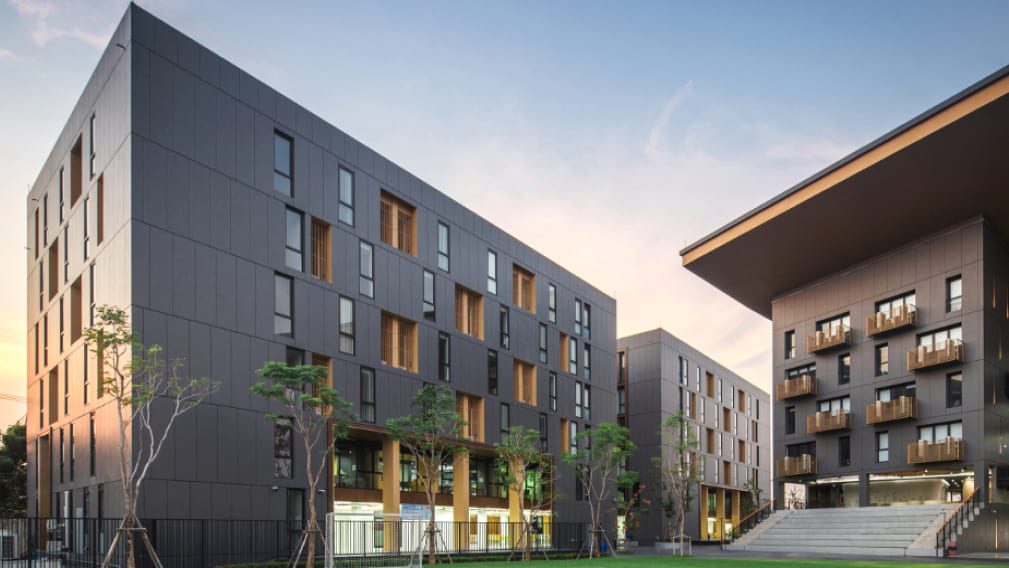
Educational decisions significantly impact children’s developmental trajectories and future opportunities. Families in Thailand face numerous choices when selecting schools, with options ranging from traditional national curriculum programs to internationally-recognized educational frameworks. Understanding different educational approaches, curriculum options, and the specific advantages each offers helps parents make informed decisions aligned with their children’s needs and family circumstances.
This guide explores key considerations in international education, from early childhood programs through secondary schooling, examining factors that distinguish quality educational institutions and support long-term student success.
Understanding Boarding School Options and Benefits
Residential education programs offer distinctive learning environments where students live on campus while pursuing academic studies. Boarding school settings provide comprehensive developmental experiences extending beyond classroom instruction to include character formation, independence building, and community living skills.
Educational Philosophy:
Boarding programs operate on principles recognizing that education encompasses more than academic content delivery. These environments create opportunities for holistic development difficult to replicate in day school settings.
Structured Learning Environment:
- Consistent daily routines supporting study habits
- Supervised homework and academic support
- Access to teachers and tutors beyond classroom hours
- Reduced distractions from home environment
- Dedicated quiet study periods
Character Development Focus:
Residential settings naturally create situations requiring personal responsibility, conflict resolution, and collaborative problem-solving. Students develop maturity and independence through daily navigation of communal living.
Social-Emotional Growth:
- Building relationships across diverse peer groups
- Learning to live cooperatively in shared spaces
- Developing empathy through constant social interaction
- Managing emotions without immediate parental intervention
- Creating support networks beyond family structures
Family Situation Considerations:
Boarding schools serve families in various circumstances where residential education provides optimal solutions.
Career-Related Mobility:
Families with parents in careers requiring frequent relocation or extended travel find boarding programs provide educational stability and continuity regardless of family movement.
Access to Quality Education:
Families in locations without suitable local educational options access superior programs through boarding placement, ensuring children receive education matching parental aspirations.
Transitional Periods:
Boarding programs sometimes serve as bridges during family transitions—relocations, career changes, or personal circumstances—providing stable environments while families navigate change.
Evaluating Boarding Readiness:
Not all students thrive equally in residential settings. Parents should assess child temperament, emotional maturity, and family dynamics when considering boarding options.
- Student’s expressed interest and comfort with concept
- Emotional independence and self-regulation capacity
- Social skills and ability to form peer relationships
- Academic self-motivation and study habits
- Family relationship strength to withstand physical distance
Exploring IB Schools in Bangkok Educational Framework
The International Baccalaureate represents a globally-recognized educational system emphasizing international-mindedness, critical thinking, and comprehensive academic preparation. IB schools in Bangkok offer programs spanning early childhood through pre-university levels, providing continuous educational pathways grounded in consistent pedagogical philosophy.
IB Program Structure:
The International Baccalaureate organization offers distinct programs designed for different age groups, each building on previous levels.
Primary Years Programme (PYP):
Designed for ages 3-12, PYP emphasizes inquiry-based learning where students explore concepts through questions and investigation rather than passive content reception.
- Transdisciplinary themes connecting subject areas
- Student agency in selecting learning directions
- Development of learner profile attributes
- Balance between structured and exploratory learning
- Conceptual understanding rather than fact memorization
Middle Years Programme (MYP):
Serving ages 11-16, MYP bridges primary education and diploma-level work, emphasizing connections across disciplines and real-world applications.
- Eight subject groups ensuring breadth
- Interdisciplinary unit requirements
- Personal project demonstrating sustained investigation
- Service learning and community engagement
- Critical thinking and reflection emphasis
Diploma Programme (DP):
The two-year pre-university program for ages 16-19 provides rigorous academic preparation recognized by universities worldwide for admission purposes.
- Six subject groups with higher and standard levels
- Core requirements: Extended Essay, Theory of Knowledge, Creativity-Activity-Service
- International perspective on all subjects
- Research and writing skill development
- University readiness focus
IB Educational Philosophy:
Beyond specific programs, IB education emphasizes particular values and approaches distinguishing it from other curricula.
International-Mindedness:
Students develop awareness of diverse perspectives, cultural understanding, and global citizenship values, preparing them for increasingly interconnected world contexts.
Inquiry-Based Learning:
Rather than accepting information passively, students learn to ask questions, investigate answers, and construct understanding through active engagement with content.
Learner Profile Attributes:
The IB learner profile defines characteristics schools cultivate: inquirers, knowledgeable, thinkers, communicators, principled, open-minded, caring, risk-takers, balanced, and reflective.
Choosing International Kindergarten Bangkok Programs
Early childhood education establishes foundational learning attitudes, social skills, and cognitive development patterns affecting subsequent academic success. International kindergarten Bangkok programs offer diverse approaches to early learning, each reflecting particular educational philosophies and developmental priorities.
Early Childhood Educational Approaches:
Various pedagogical frameworks guide international kindergarten programs, each emphasizing different aspects of child development.
Play-Based Learning:
This approach recognizes play as children’s natural learning mode, structuring environments and activities that promote development through enjoyable, child-directed exploration.
- Free play periods supporting creativity and social interaction
- Learning centers with materials encouraging investigation
- Teacher facilitation rather than direct instruction
- Developmental milestone focus over academic content
- Social-emotional growth prioritization
Montessori Method:
Montessori classrooms feature mixed-age groupings and specialized materials supporting independent learning at individual paces.
- Self-directed activity with teacher guidance
- Hands-on learning materials for concrete concept exploration
- Extended work periods allowing deep engagement
- Practical life skills integration
- Intrinsic motivation development
Reggio Emilia Approach:
This philosophy views children as capable researchers, emphasizing project-based investigation and artistic expression.
- Documentation of learning processes
- Environment as “third teacher” through thoughtful design
- Collaboration and relationship emphasis
- Multiple forms of expression encouraged
- Long-term project investigations
Curriculum Content Considerations:
Beyond pedagogical approach, families should evaluate specific content and skill development programs address.
Language Development:
- English language instruction methodology and intensity
- Mother tongue support and development
- Additional language exposure opportunities
- Literacy preparation and early reading approaches
Social-Emotional Learning:
- Conflict resolution skill teaching
- Emotional regulation strategies
- Friendship building and peer interaction
- Independence and self-help skill development
- Cultural awareness and diversity appreciation
Practical Evaluation Factors:
When comparing kindergarten options, consider operational aspects affecting daily experience.
- Teacher qualifications and experience levels
- Student-to-teacher ratios
- Facility safety and age-appropriate design
- Communication practices with families
- Transition support to primary education
SISB School’s Educational Approach
Within Bangkok’s competitive international school landscape, SISB School offers educational programs spanning early childhood through secondary levels. The institution’s approach emphasizes balanced development, combining academic rigor with character formation and global citizenship preparation.
SISB School’s curriculum framework incorporates international standards while remaining accessible to both Thai and expatriate families. The school’s structure provides continuity across educational levels, allowing students to progress through consistent pedagogical environments from kindergarten through graduation.
The institution’s facilities support diverse learning modalities, with specialized spaces for science, arts, athletics, and technology complementing traditional classroom environments. This infrastructure enables hands-on, experiential learning that engages students across learning style preferences.
SISB School’s community includes diverse student populations and faculty from multiple countries, creating multicultural environments where students naturally develop cross-cultural competencies and global perspectives.
Admission Process and Preparation
Successful school placement requires understanding admission procedures and preparing applications that effectively communicate student strengths.
Typical Application Components:
- Completed application forms with student information
- Previous school records and transcripts
- Standardized assessment results if applicable
- Teacher recommendations highlighting strengths
- Student essay or personal statement
- Parent statement explaining school choice reasoning
Assessment and Interview:
Most schools conduct student assessments evaluating academic readiness and language proficiency. These evaluations help schools determine appropriate placement and identify any additional support needs.
Timeline Considerations:
International schools often fill positions many months before academic year commencement. Families should begin research and application processes early, particularly when seeking specific grade levels or programs with limited capacity.
Making Your Educational Decision
Whether considering boarding school options for residential learning environments, evaluating IB schools in Bangkok for internationally-recognized curriculum frameworks, or selecting international kindergarten Bangkok programs for early childhood education, success depends on thorough research matching school characteristics with student needs and family values.
Educational decisions represent significant commitments affecting children’s developmental trajectories and family resources. Taking time to visit schools, speak with current parents and students, and carefully evaluate how each option aligns with your specific situation leads to more satisfying outcomes than decisions based primarily on reputation or convenience.
The diversity of Bangkok’s international school options ensures most families can find programs matching their priorities. The challenge lies in identifying which specific characteristics matter most for your child’s learning style, developmental needs, and future aspirations.
Ready to explore comprehensive international education options and discover programs supporting your child’s development? Learn more about curriculum offerings, campus facilities, and admission processes at https://sisb.ac.th/
Contact US
Address: 498/12 Soi Ramkhamhaeng 39 (Tepleela 1), Wangthonglang, Wangthonglang, Bangkok 10310 Thailand
Phone: +660 2158 9090
Email: info@sisb.ac.th
Website: https://sisb.ac.th/