
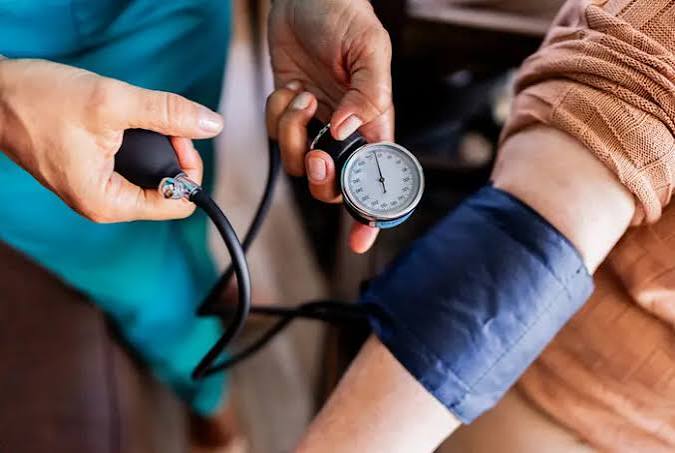
Blood pressure is the quietest of the major heart risks. It rarely hurts, rarely announces itself, and yet can do slow, serious damage over years. People are often surprised when a routine check shows a high reading after they have felt perfectly well. A Cardiologist in Raipur can turn those two numbers into a story you understand, and into a plan that you can follow.
What the two numbers mean
The upper number, systolic pressure, reflects the force in your arteries when the heart contracts. The lower, diastolic, reflects the pressure when the heart relaxes between beats. Both matter. Guidelines vary in the exact cut-offs, but readings that stay consistently around 130/80 mmHg or higher are considered elevated by many experts, and higher readings call for closer attention. Your doctor will interpret your numbers in light of your age, other conditions and repeat measurements.
One reading is not a diagnosis
Blood pressure fluctuates through the day. It rises with anxiety, caffeine, pain, a full bladder or a rushed walk to the clinic. This is why doctors usually confirm high readings over more than one visit or with home or ambulatory monitoring. Do not panic over a single high reading, but do not ignore it either.
What high pressure does to the body
Over time, the extra force strains the heart, which may thicken and weaken. It damages artery walls and promotes plaque formation, raising the risk of heart attack and stroke. It can harm the kidneys and the delicate vessels of the eyes. Because these changes build quietly, early control can prevent much of the later harm.
The value of measuring at home
A validated upper-arm home monitor gives you a realistic picture. Sit quietly for five minutes with your back supported and feet on the floor, take readings at the same times each day, and record them. Bring the log to your appointment. Home readings can reveal “white coat” hypertension, where pressure is high only in clinics, and “masked” hypertension, where it is normal in clinics but high at home.
When 24-hour monitoring helps
In some cases, a cardiologist suggests wearing an automatic cuff for a full day and night. This reveals patterns invisible in office readings, such as pressure that does not drop at night or surges in the early morning. The results can change whether treatment is needed or how it is timed.
Looking for the reasons behind it
Most high blood pressure is “essential,” meaning there is no single cause, but contributing factors include excess salt, weight, inactivity, alcohol, stress and family history. In some people, there are secondary causes such as kidney disease, hormonal disorders or sleep apnoea. A thorough evaluation, especially in younger patients or those with very high readings, looks for these possibilities.
Practical lifestyle steps
Reducing salt, eating more fruit, vegetables and pulses, losing excess weight, limiting alcohol, stopping tobacco and exercising regularly can lower blood pressure meaningfully. Cardiologists help set realistic targets and suggest approaches that fit local food and routines, such as reducing pickles and papad rather than banning flavour altogether.
Medicines: why consistency matters
If lifestyle changes are not enough, tablets are added. Many people need more than one. The most important message is to take them regularly, even when you feel well, because that is precisely when they are working. Report side effects rather than quietly stopping. Doses and combinations can be adjusted.
Setting a target that fits you
Goals are individualised. A younger person with diabetes may have a stricter target than a frail elderly person who gets dizzy easily. Ask what range your doctor wants you to aim for, and how often to review.
Pregnancy and blood pressure
High blood pressure in pregnancy needs close monitoring, and some medicines are unsuitable. Women who had high pressure in a previous pregnancy should discuss it before planning another. A cardiologist and an obstetrician can work together.
Warning signs of very high pressure
If you have extremely high readings along with severe headache, chest pain, shortness of breath, confusion, weakness or vision changes, seek emergency care. These are not signs to wait on.